Home
01
About
02
Experience
03
Stellar Design System
Built to standardize LivaNova’s clinician-facing applications and align design with React development.
Case Study Snapshot
1 / 3
Quick Read
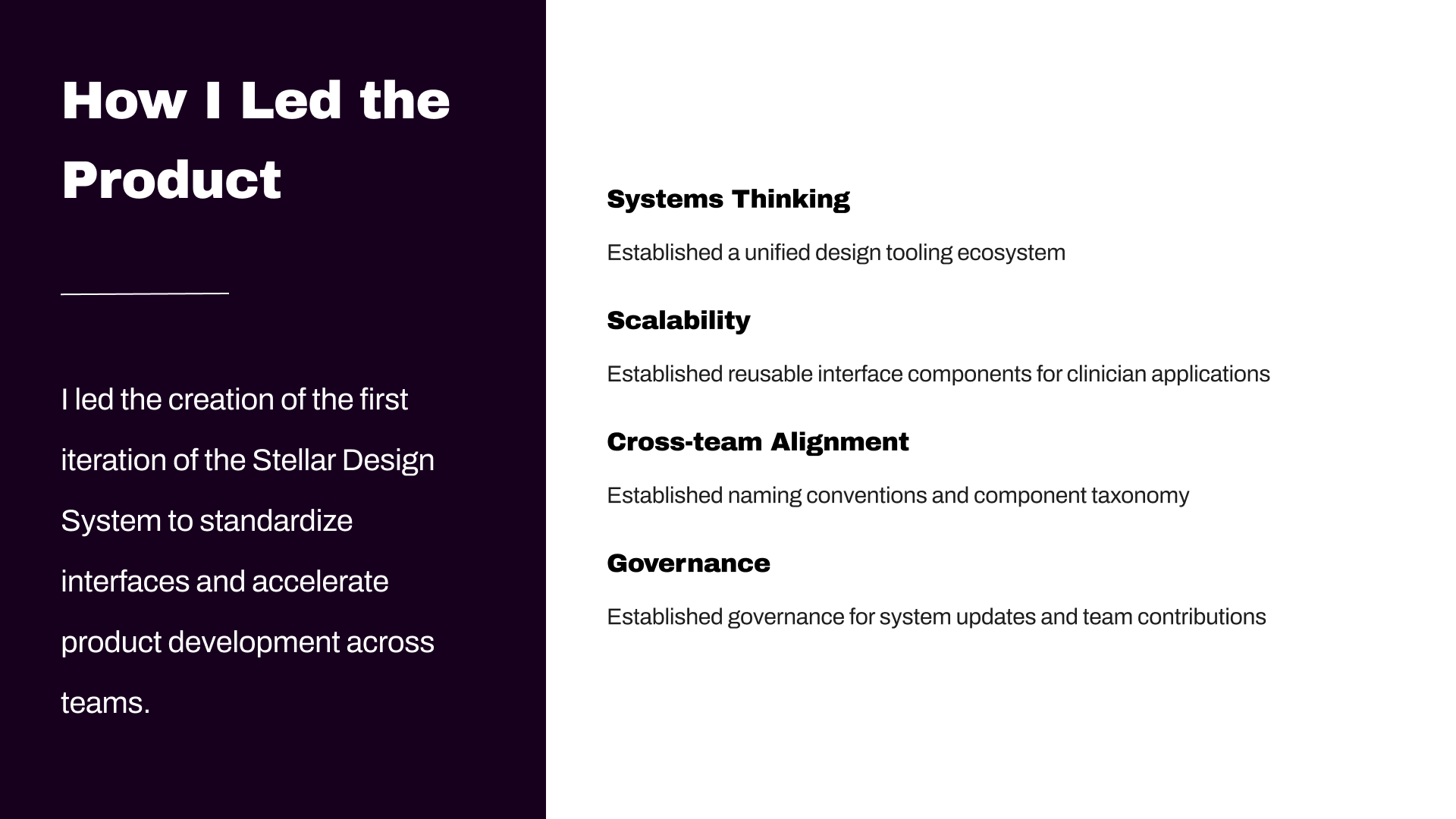
At LivaNova I created the first iteration of the
Stellar Design System
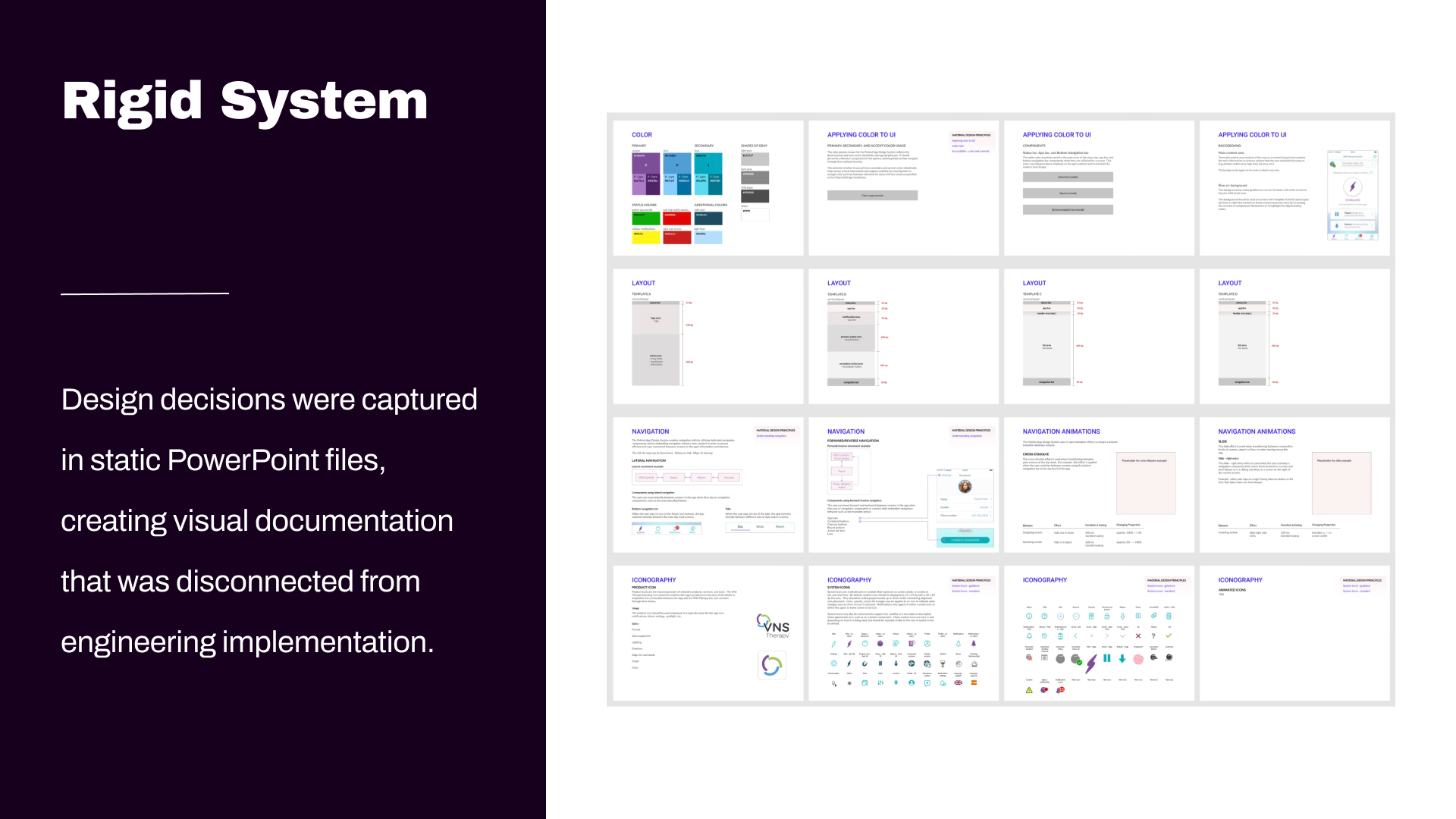
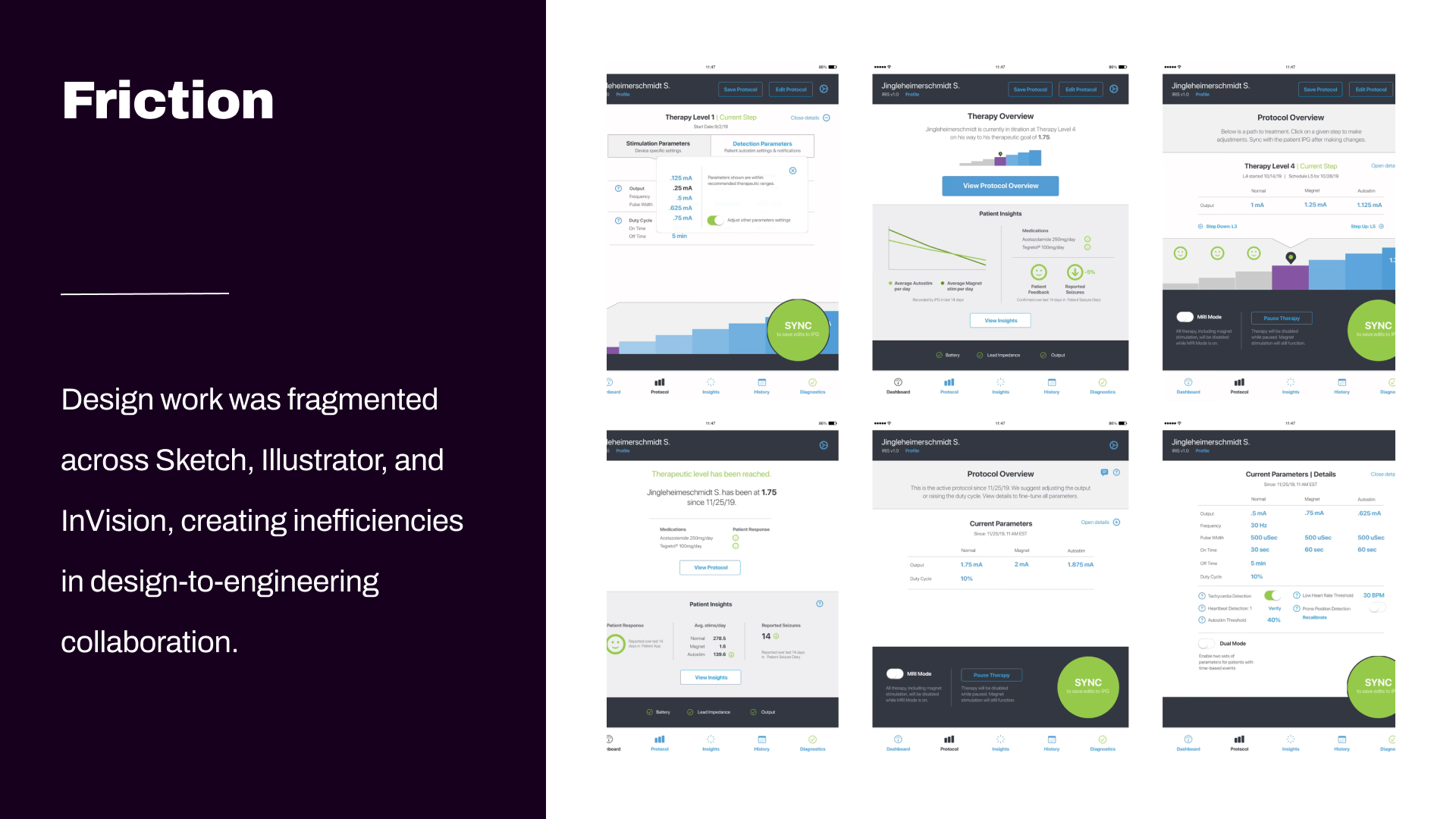
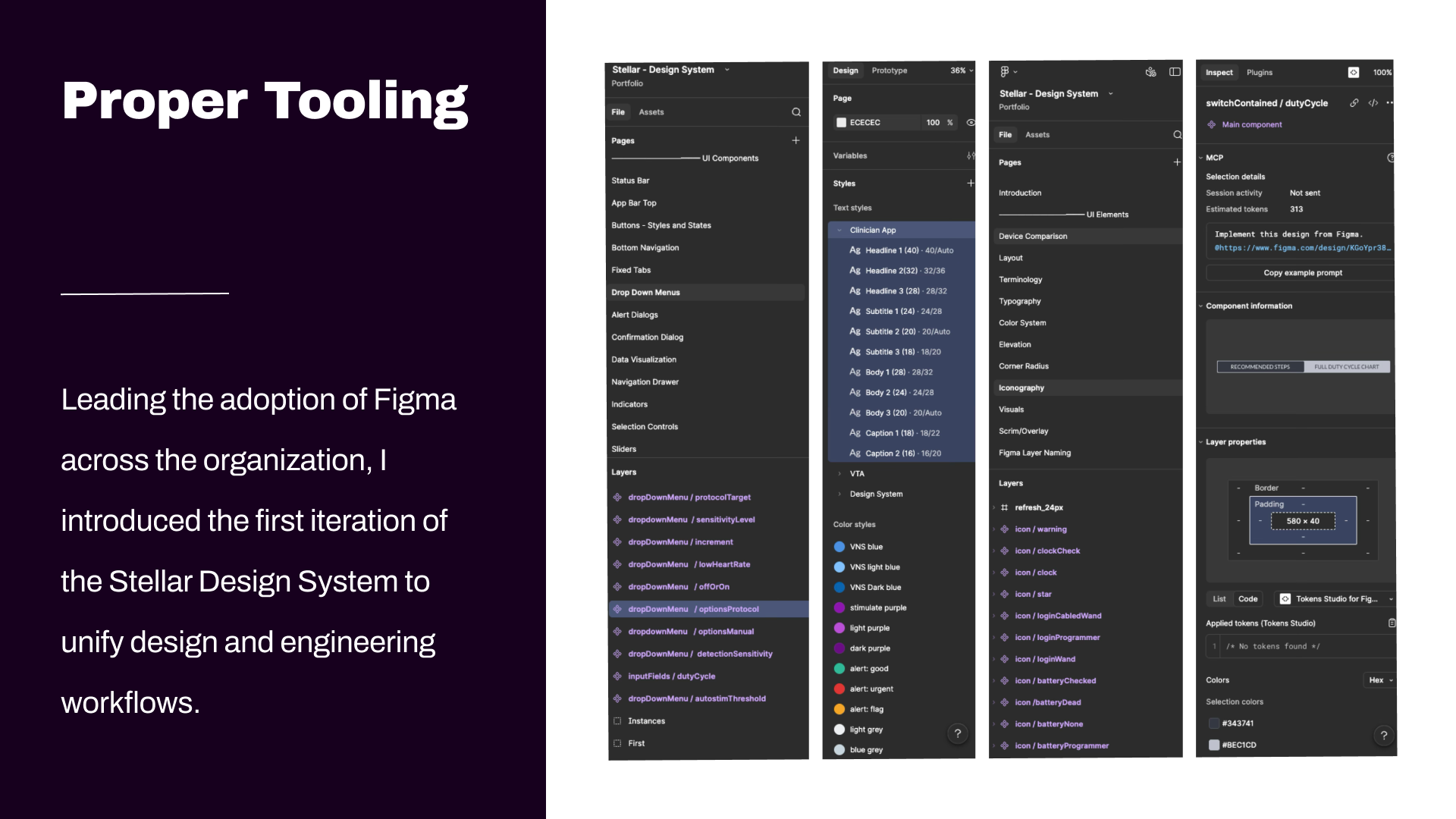
, the internal design foundation for the VNS Therapy clinician platform. I introduced Figma as the organization’s primary design tool, replacing Sketch and InVision, and built a scalable system of components, tokens, documentation, and naming conventions used by design, engineering, marketing, and verification teams. Stellar standardized interface patterns, improved developer handoff, and eliminated fragmented documentation that previously slowed product development. The system shipped internally across teams and became the shared source of truth for building clinician-facing software.
Role
Product Designer responsible for establishing the design system foundations, component architecture, and design–engineering alignment.
Key Contributions
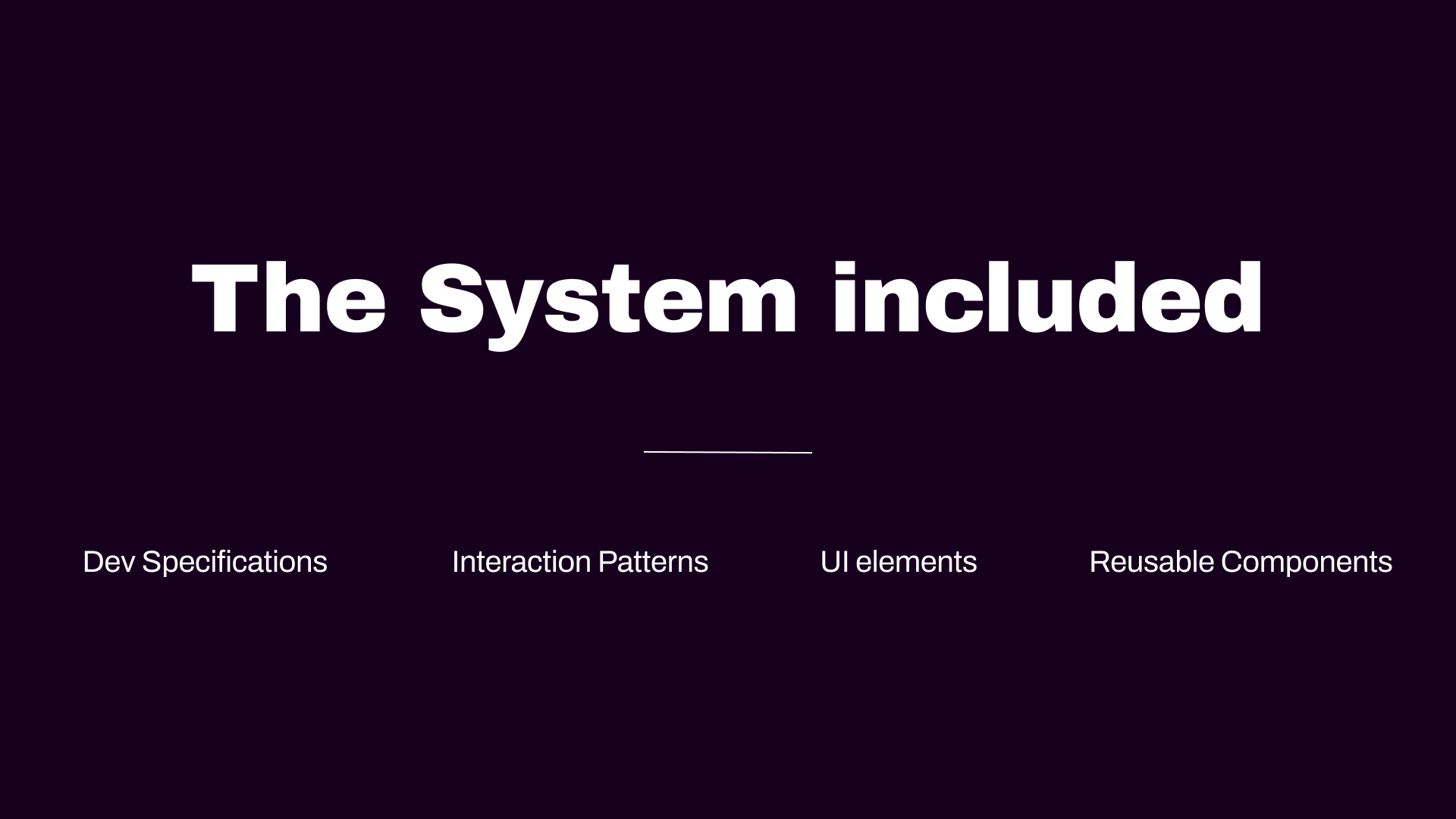
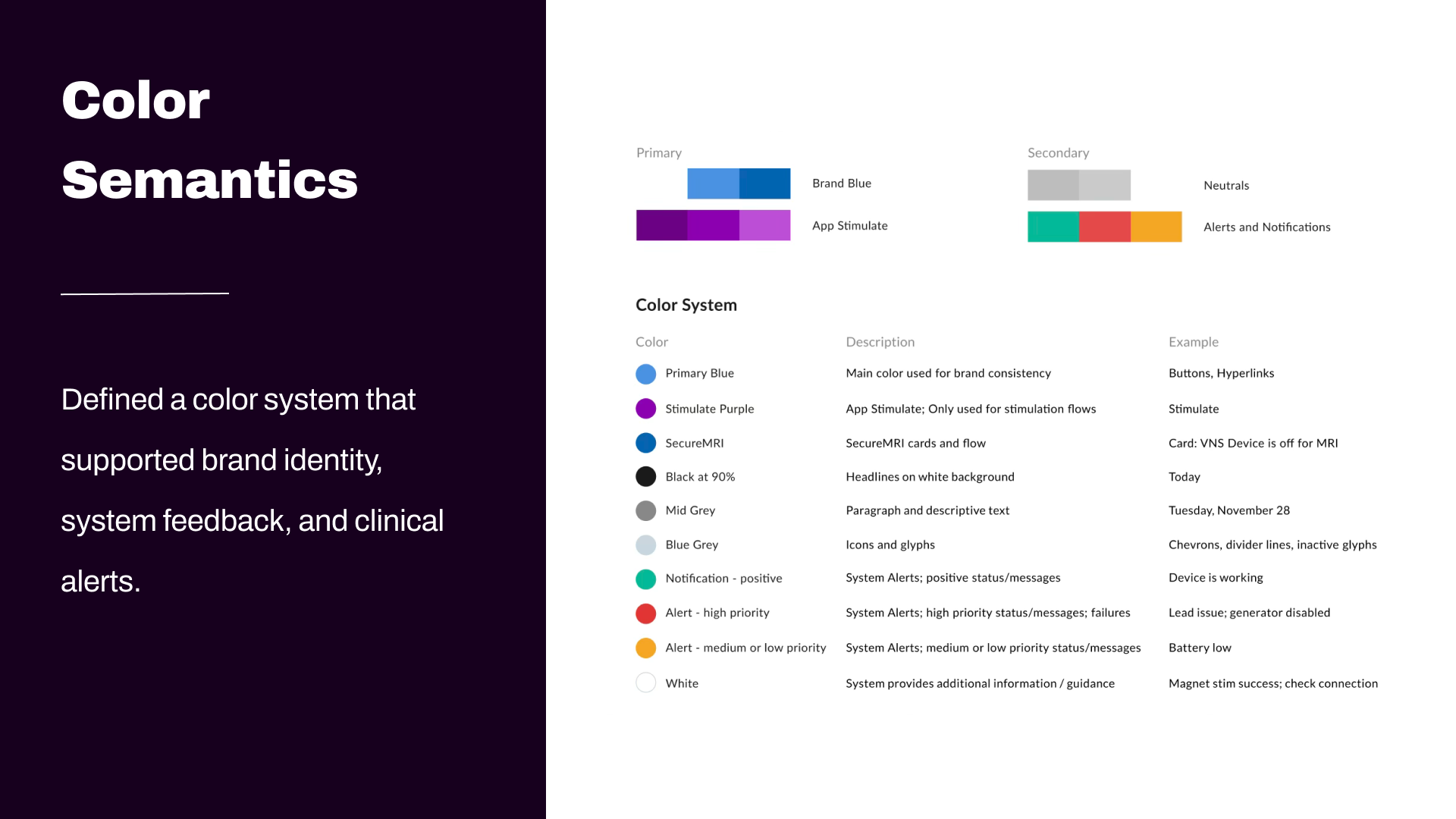
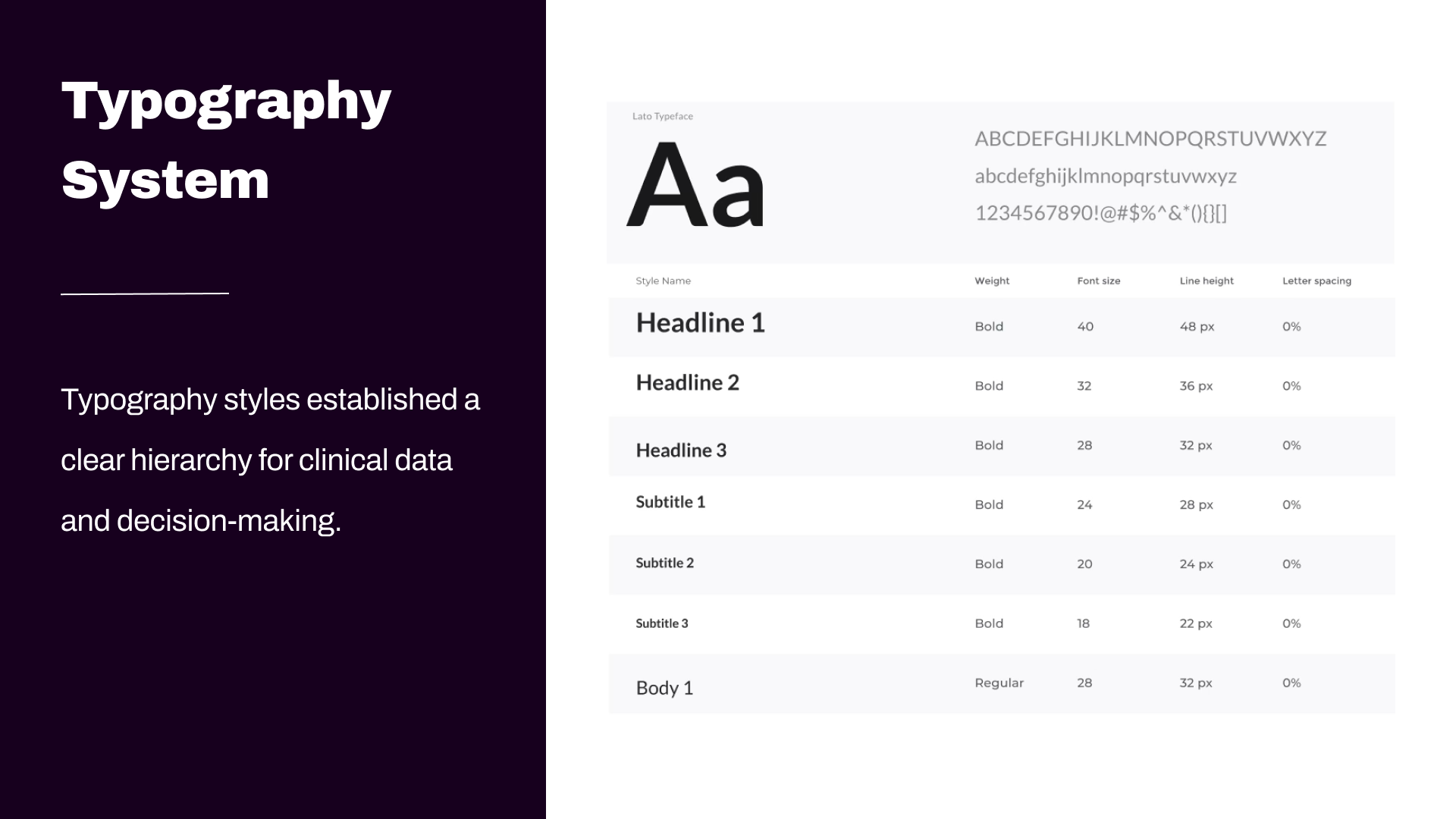
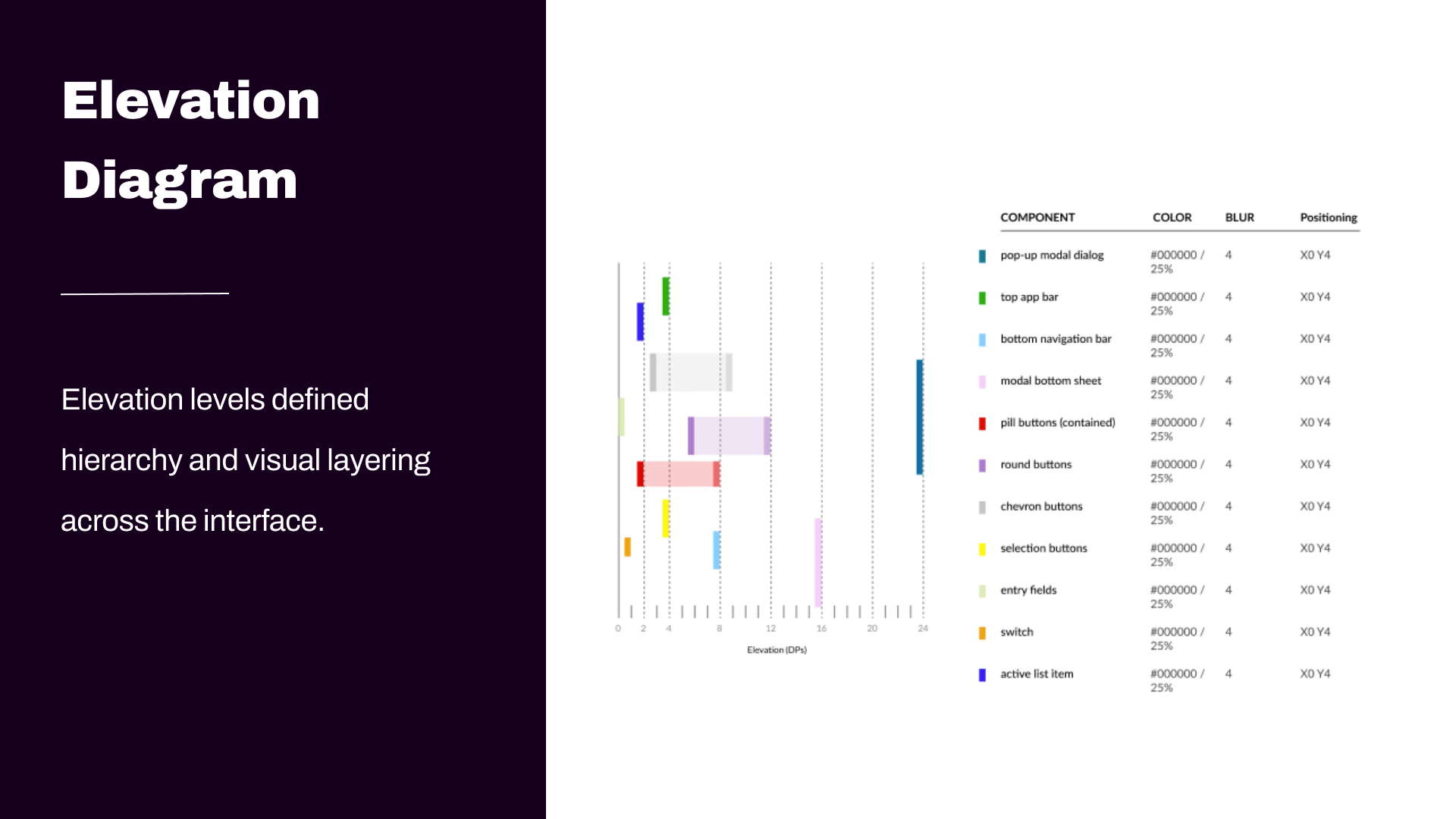
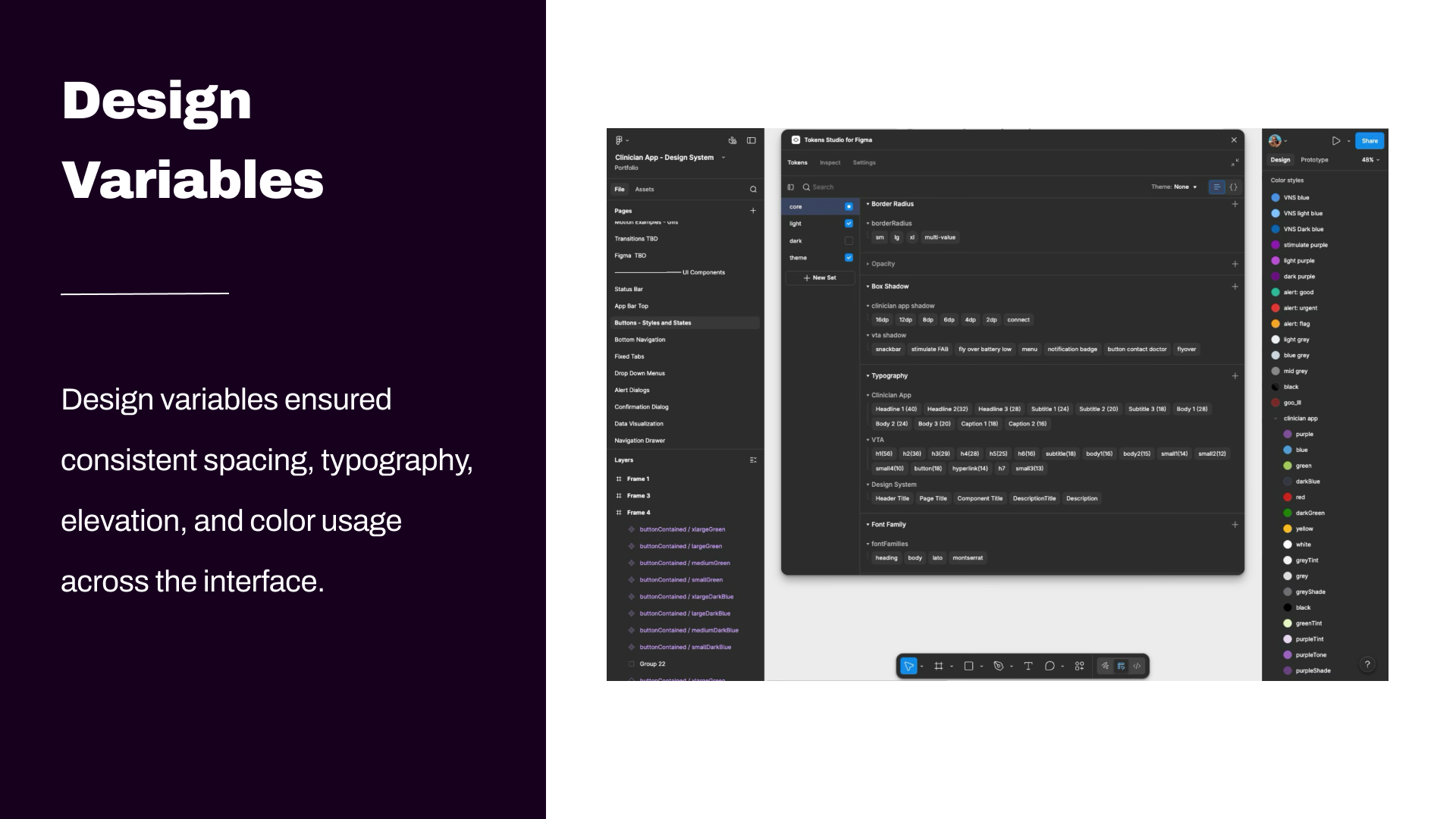
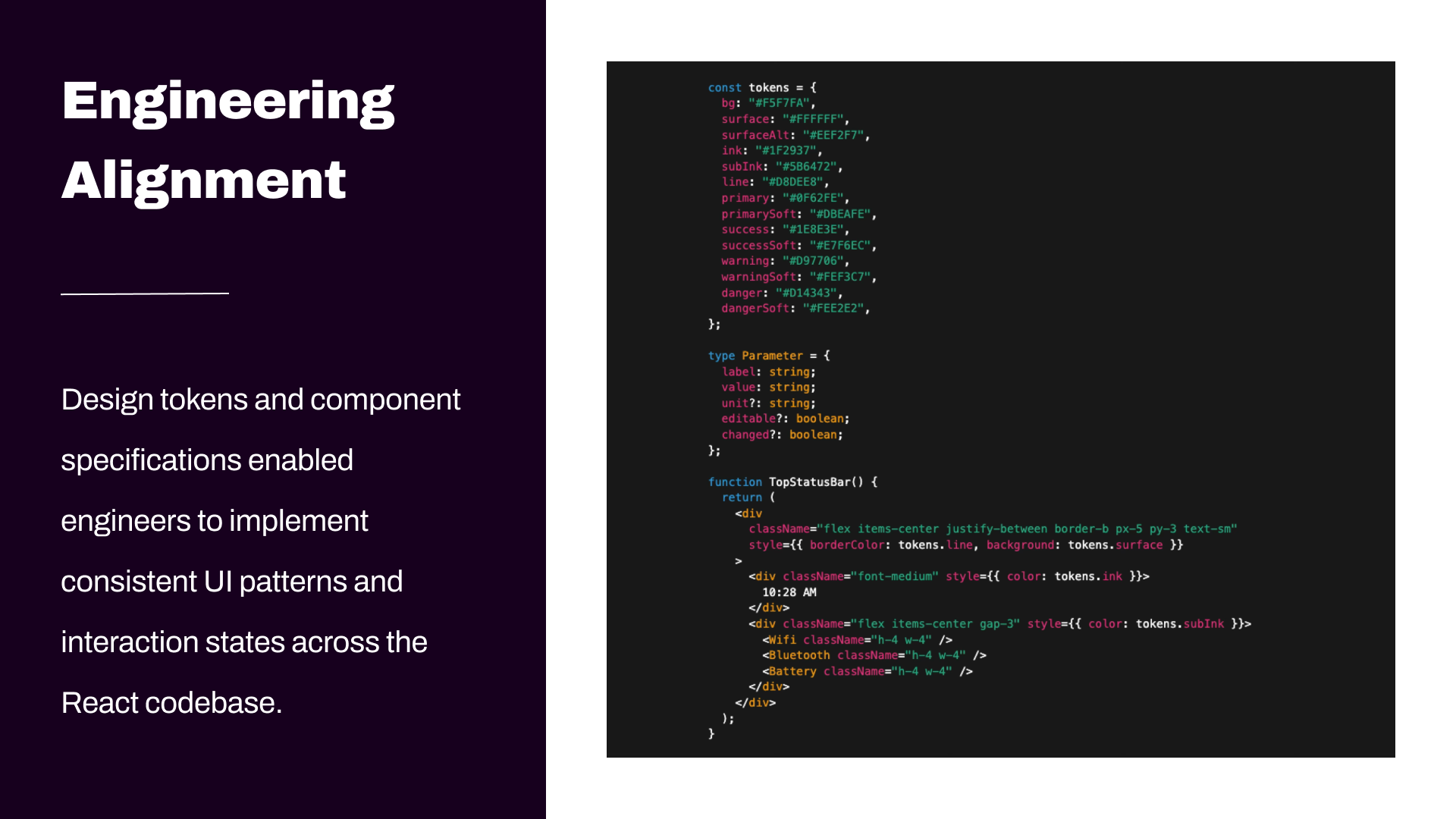
Defined design tokens for color, typography, spacing, and elevation
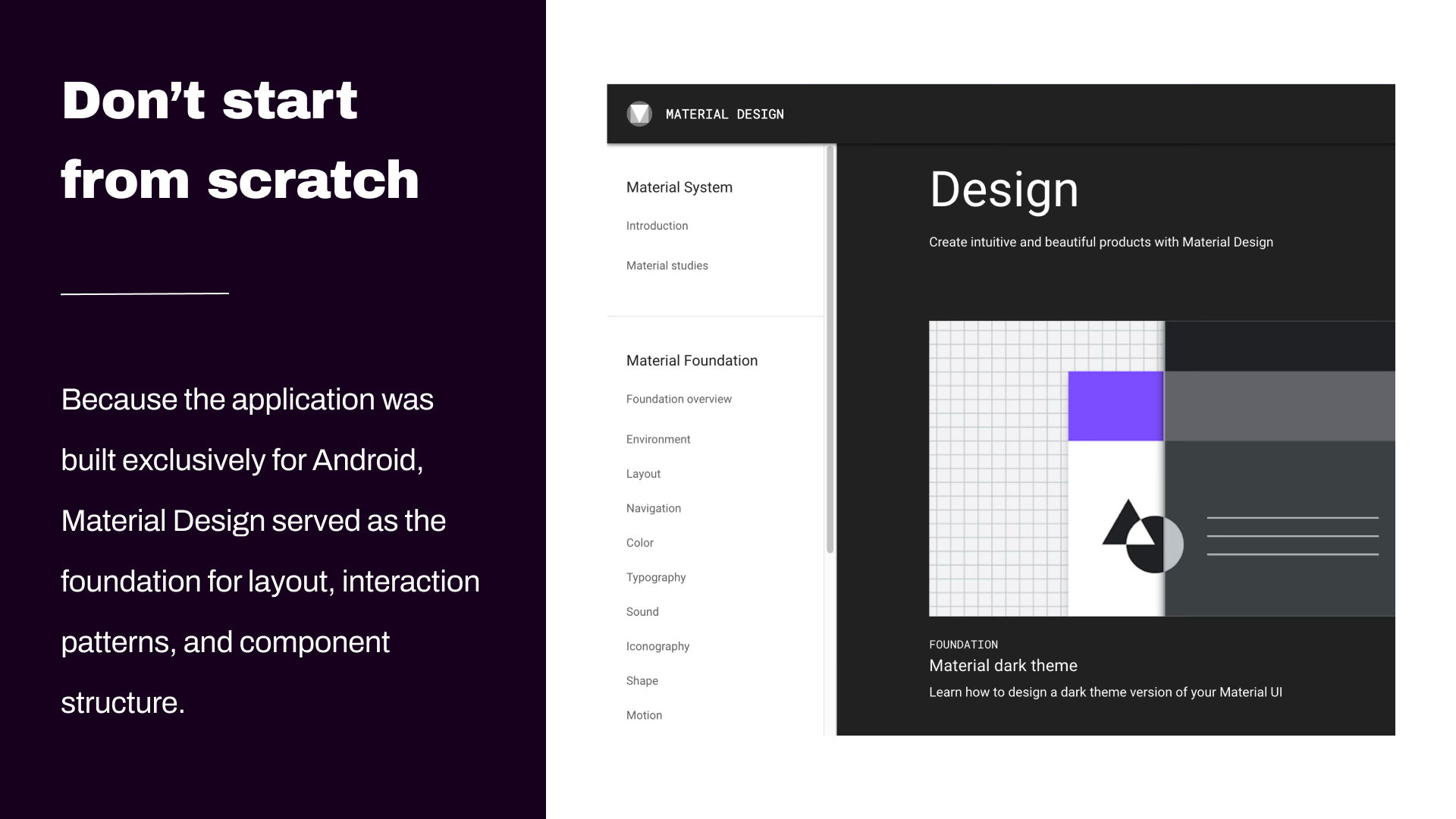
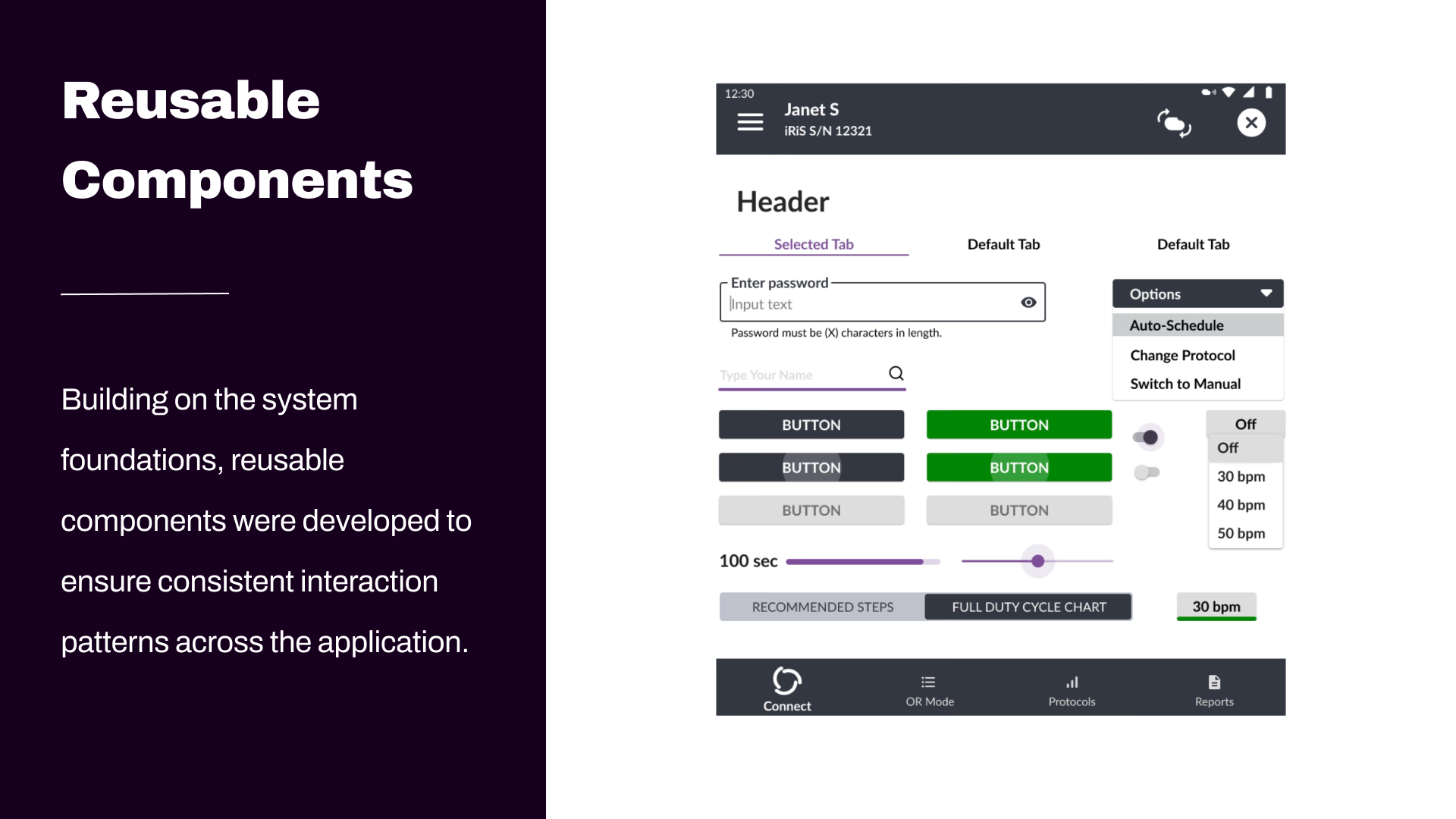
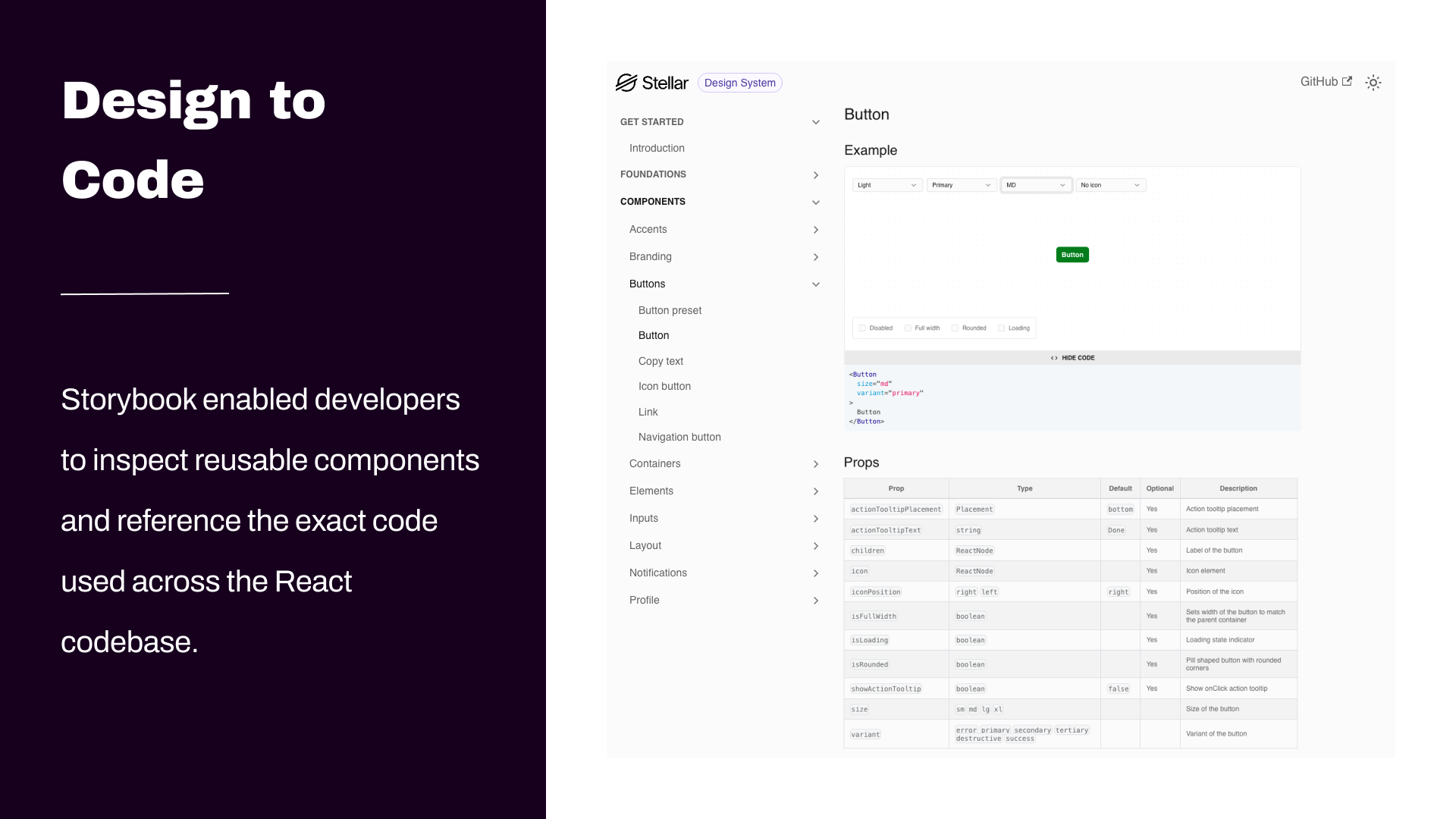
Built a reusable component library aligned with React implementation
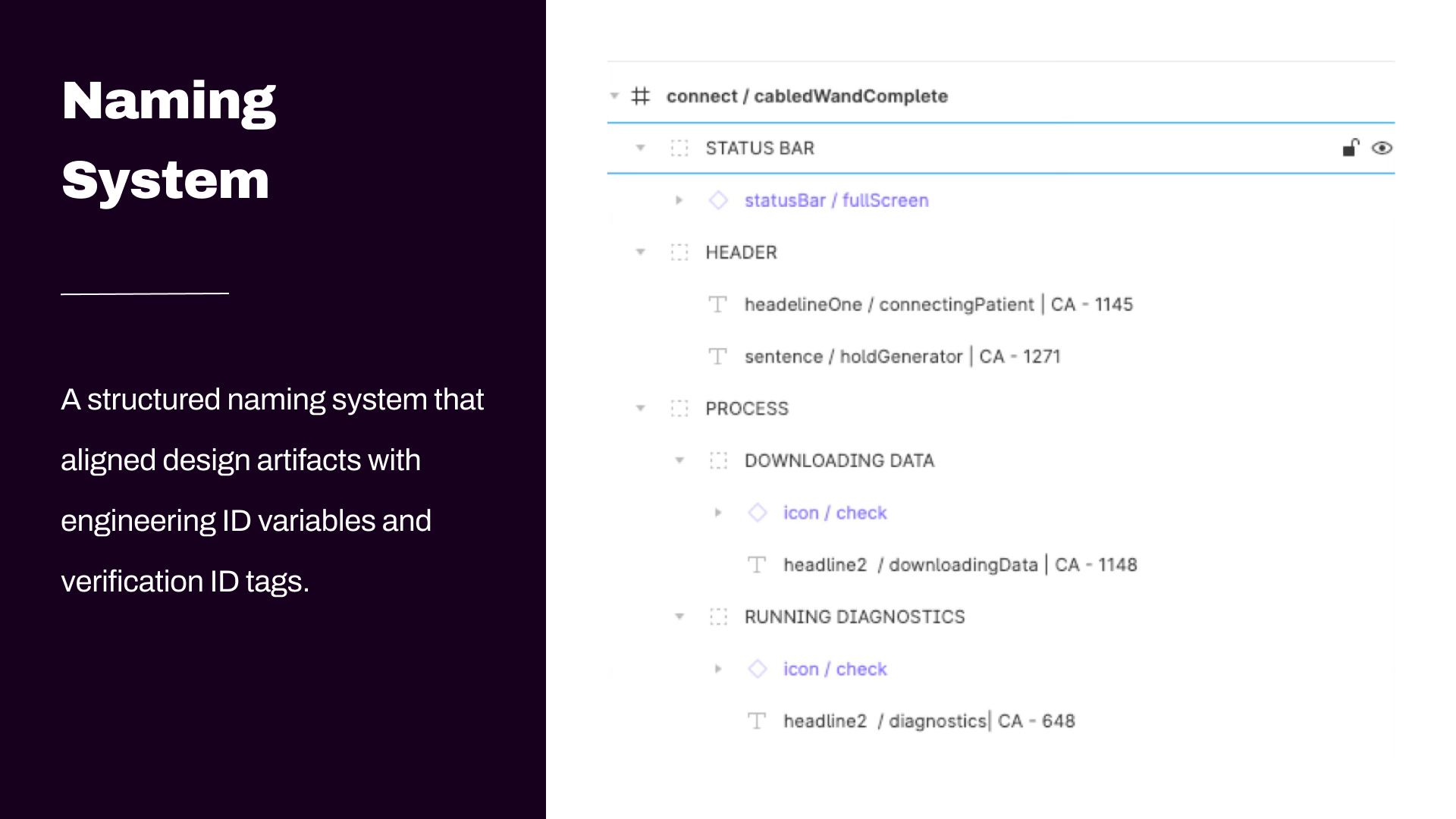
Introduced a structured naming system for design and engineering parity
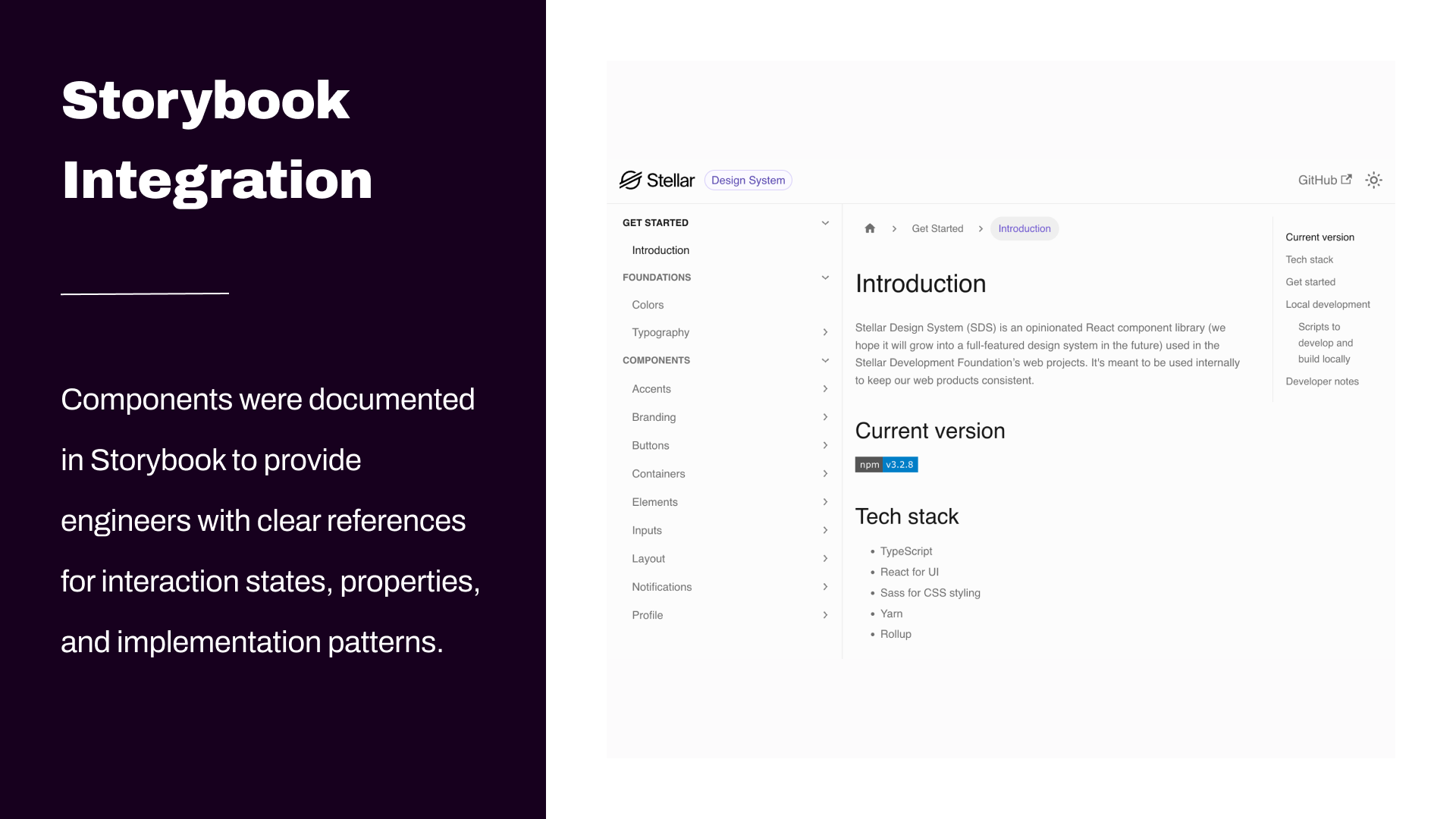
Documented components and states in Storybook for developer adoption
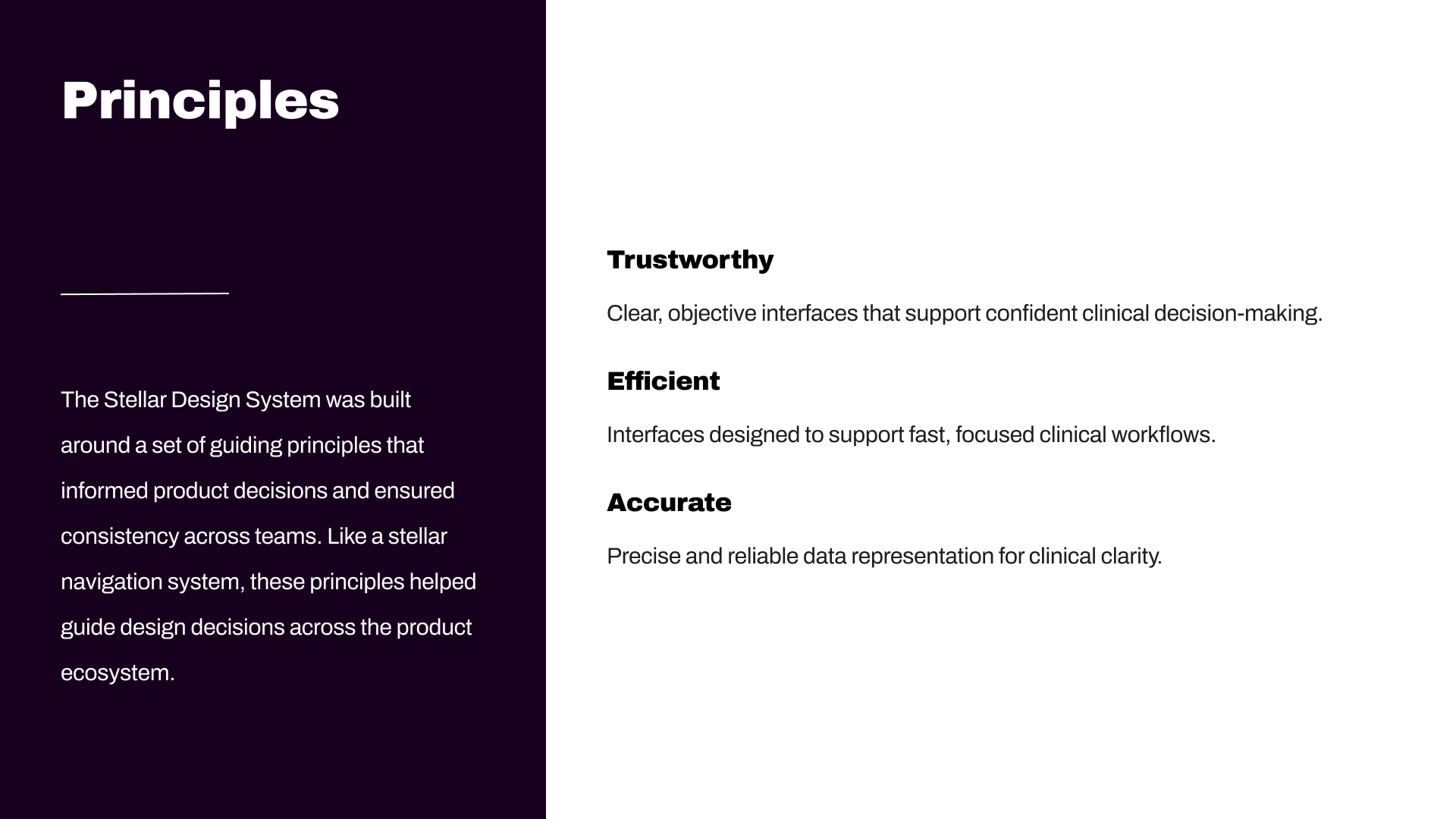
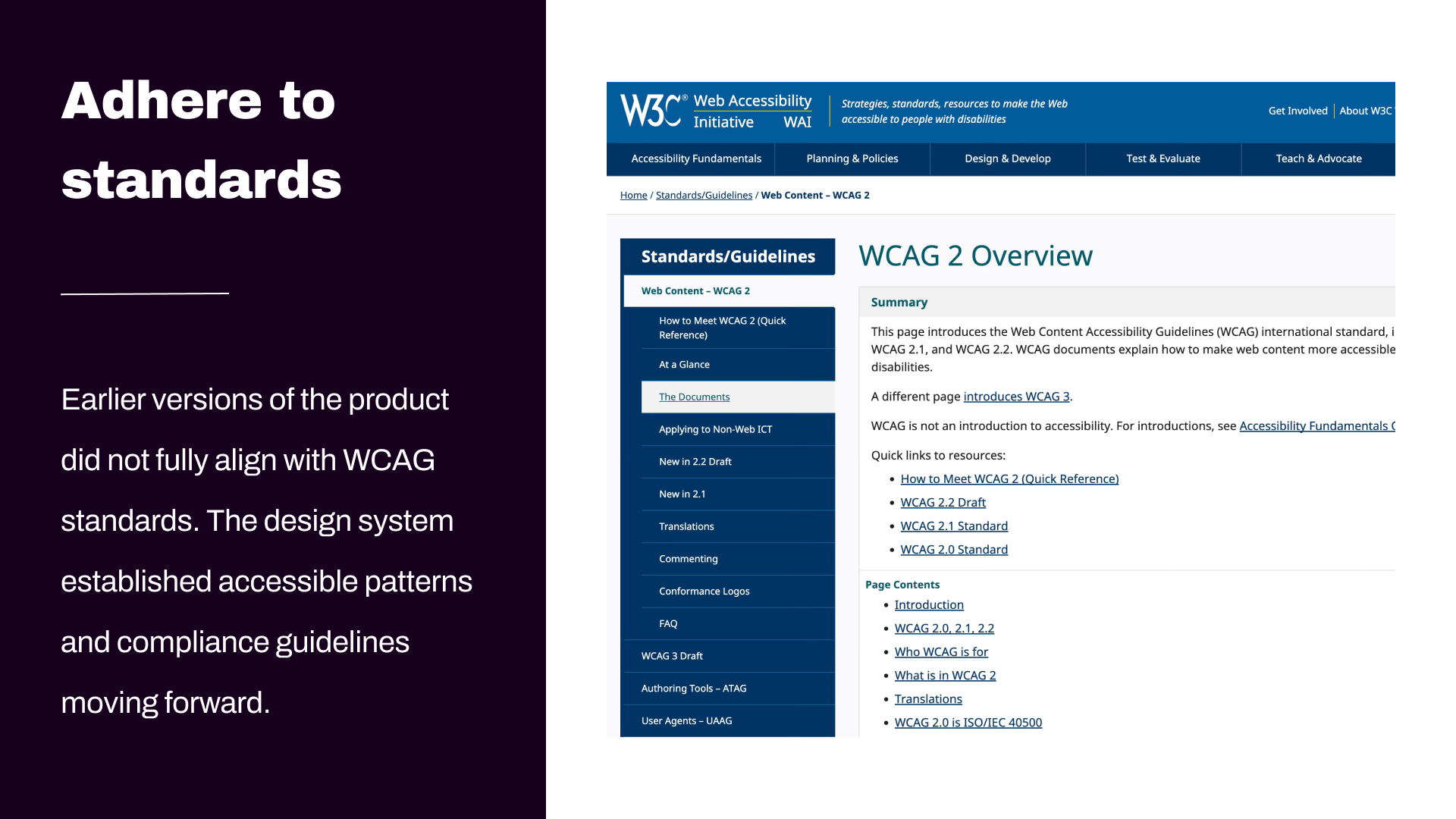
Established governance practices for consistency and scalability
Research Approach
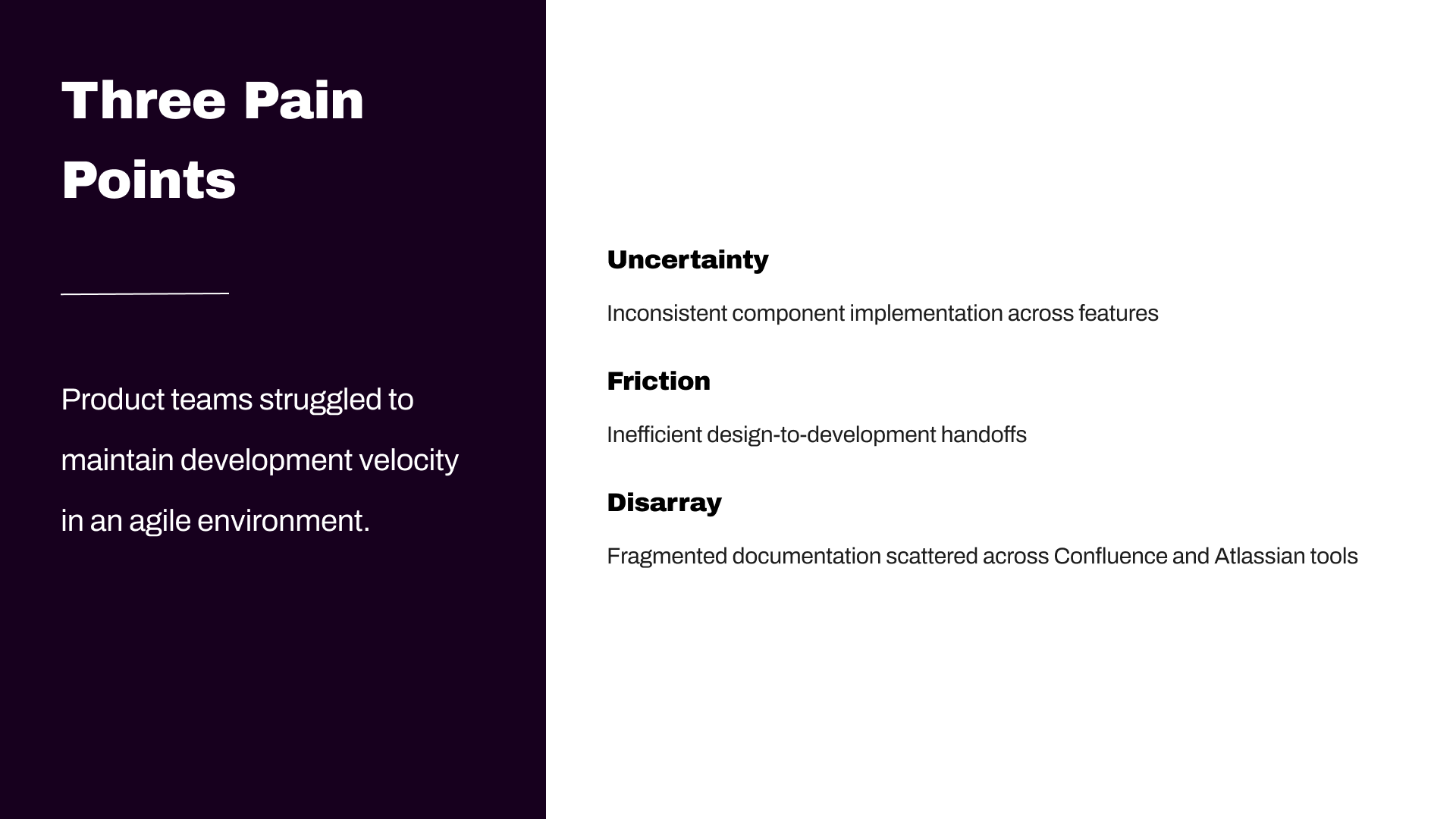
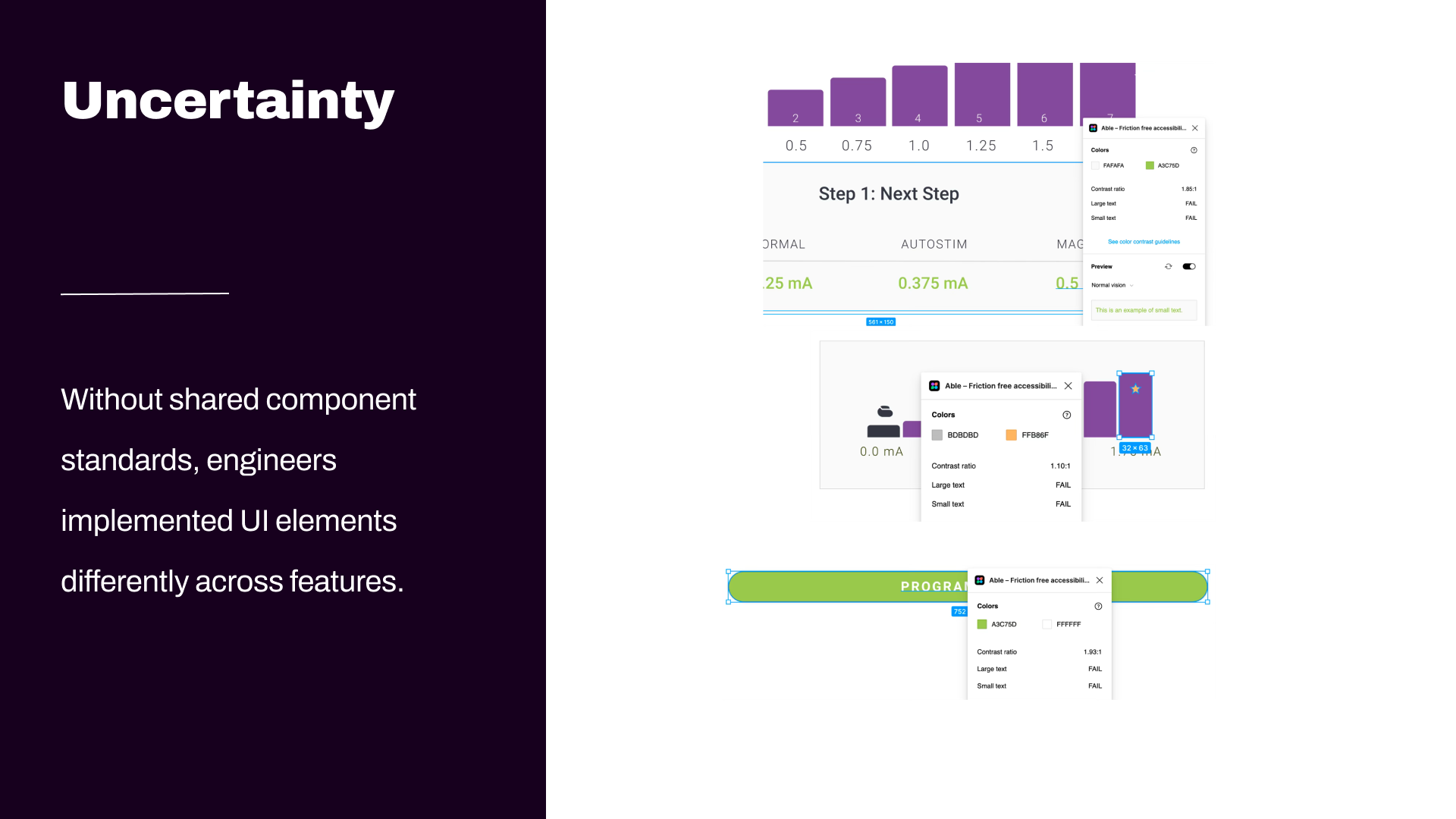
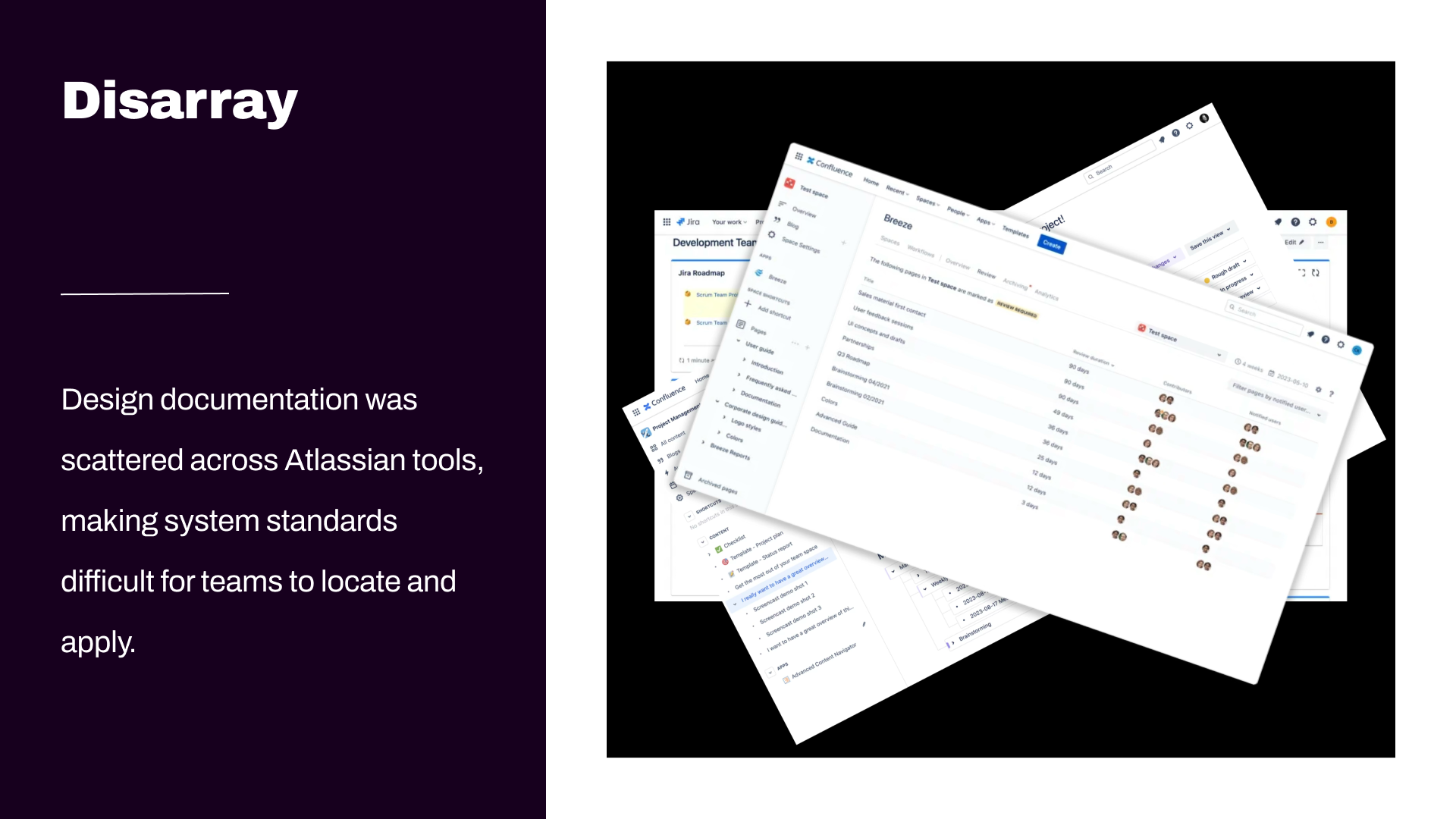
Audited existing design files, engineering implementations, and workflows to identify inconsistencies, duplication, and gaps in design-to-development alignment.
Outcomes
Established a shared design system used across clinician applications
Reduced implementation inconsistency across the React codebase
Improved collaboration between design, engineering, verification and marketing teams.
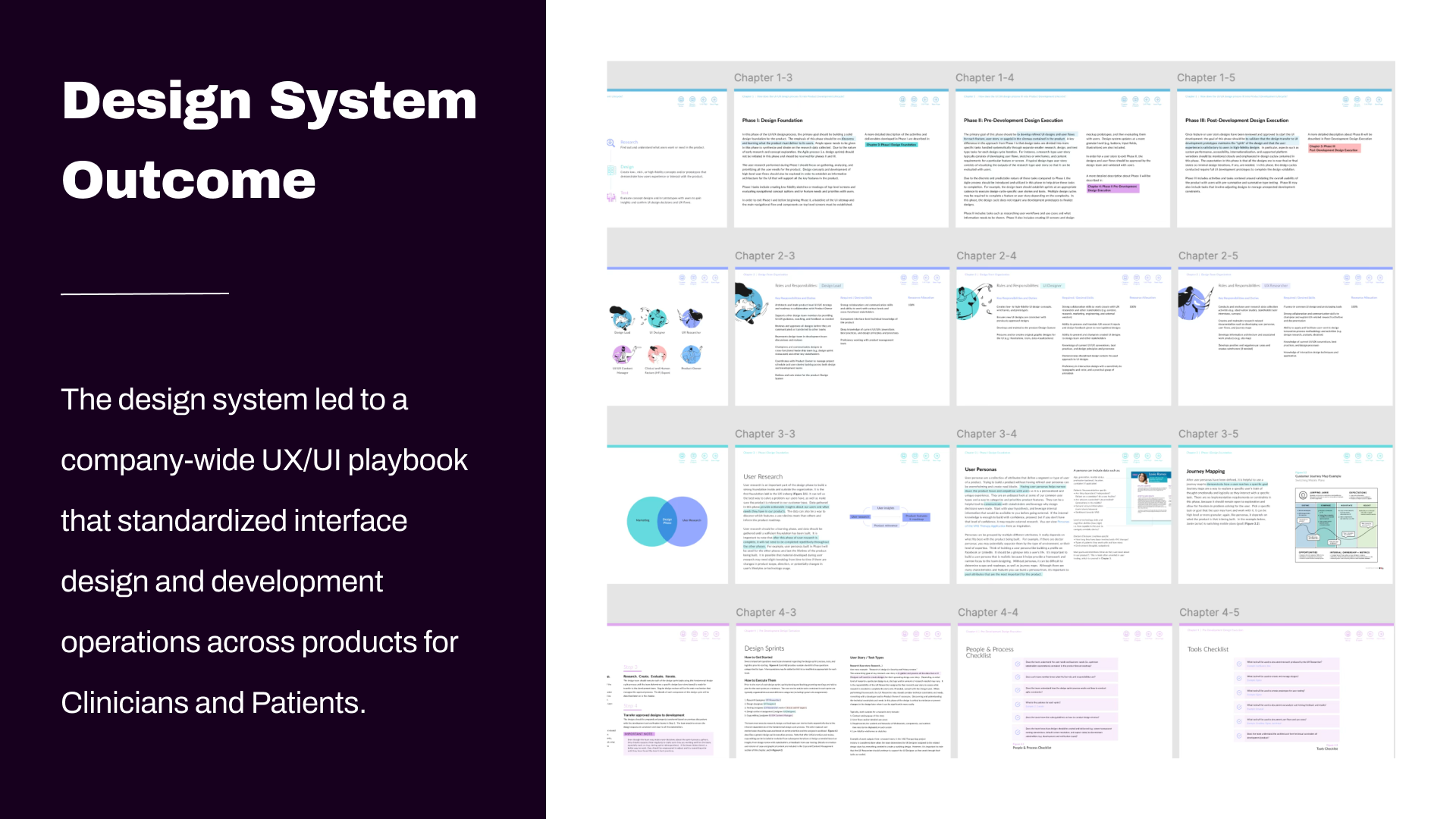
Created a company-wide UX/UI playbook as a source of truth
Core Learning
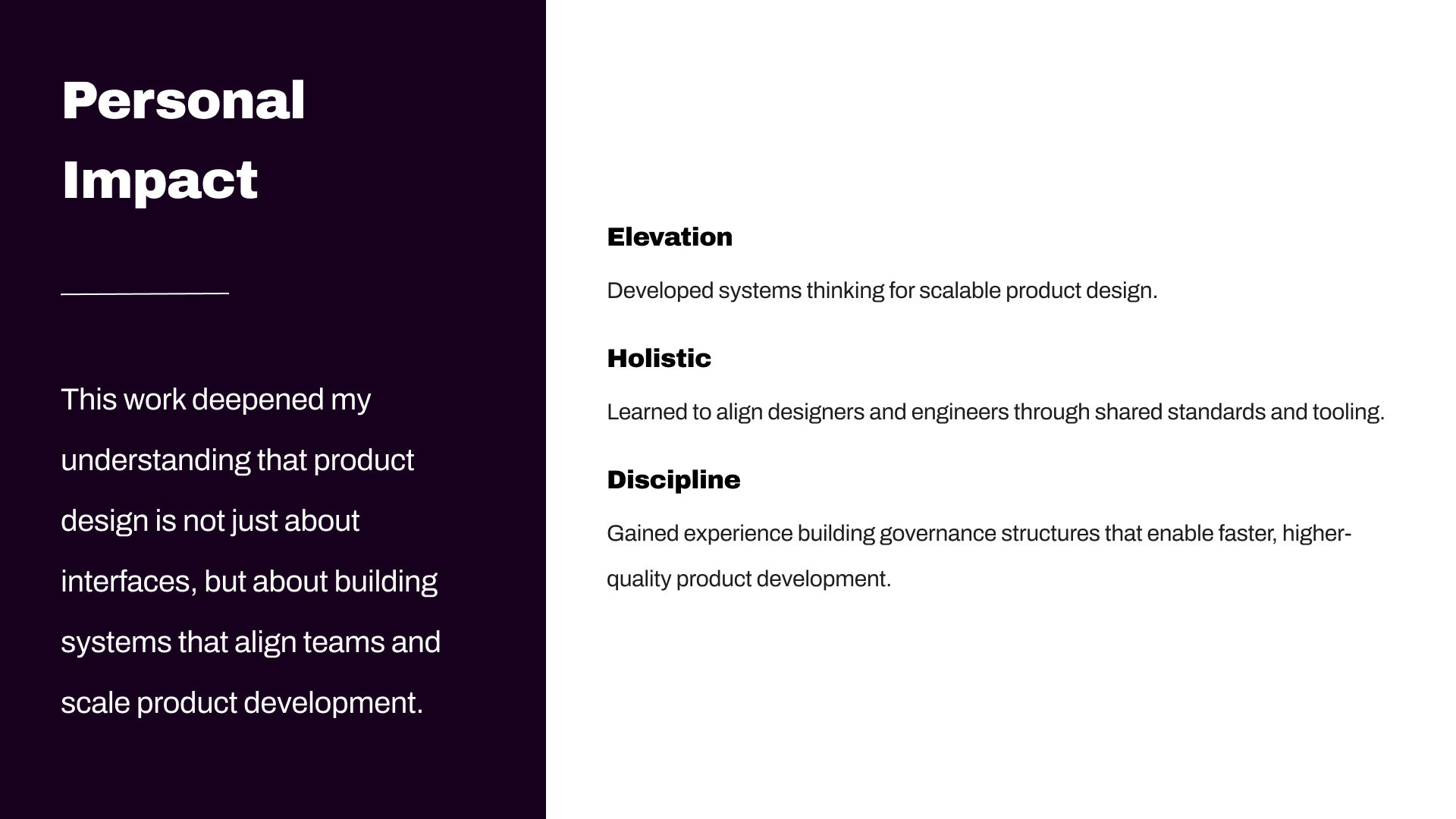
Design systems are not UI libraries — they are operational systems that align teams, reduce ambiguity, and scale product development.
/ Explore the Work
2 / 3
Watch the presentation
YouTube • ~10 min
Read the case study
PDF • ~5 min read
Explore the system
Figma • Interactive
/ SLIDES
2 / 3
Context
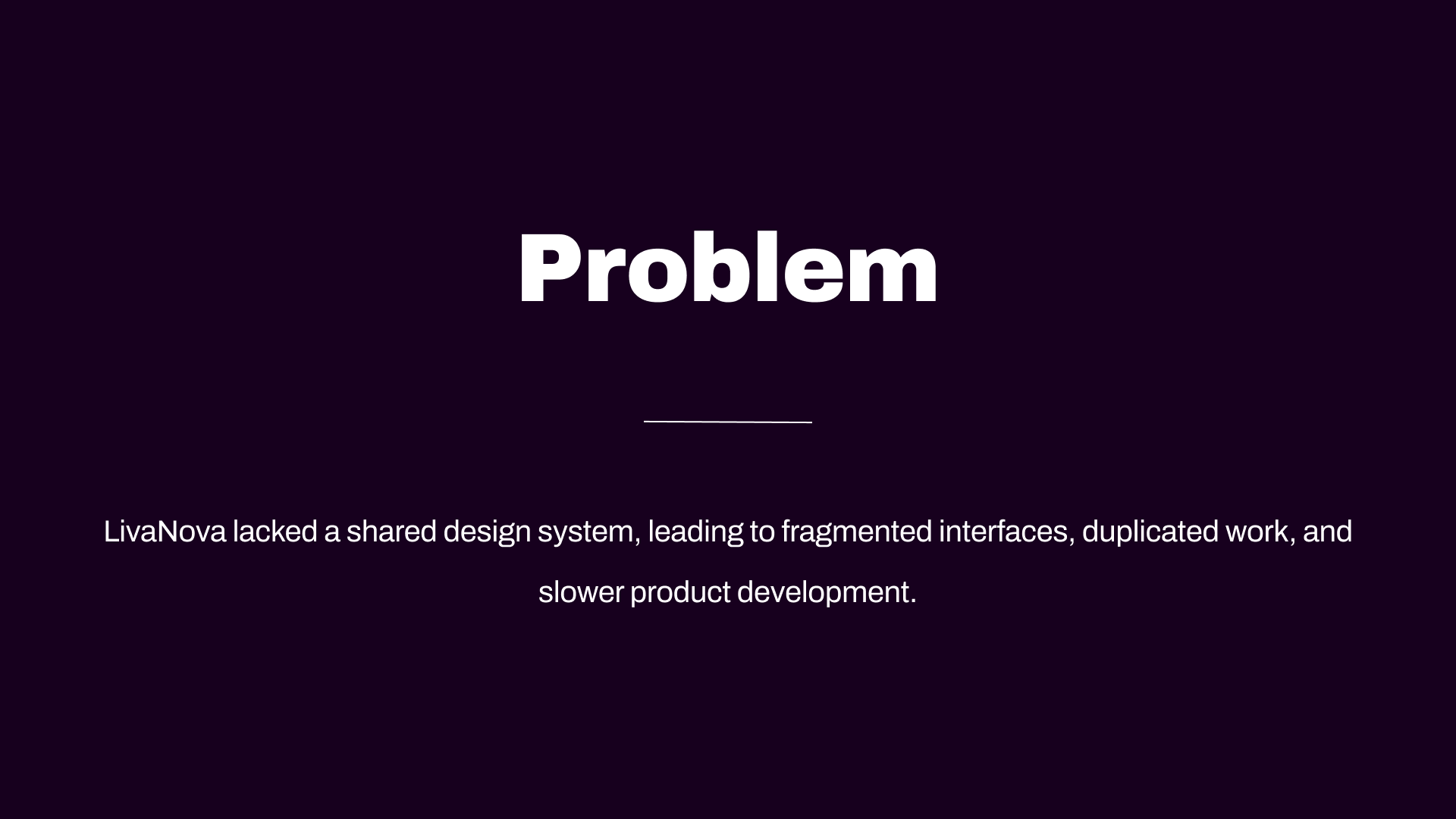
Problem
Investigation
System Insight
System Strategy
Foundations
Implementation
Outcomes
Reflection
Context
Problem
Investigation
System Insight
System Strategy
Foundations
Implementation
Outcomes
Reflection
/ More
Thank You!
Anything in Mind?
Let’s Talk
©2026
// scrollspy // modal